What's Inside Tonic Greens: Six Ingredient Groups Explained
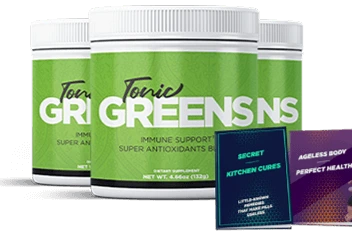
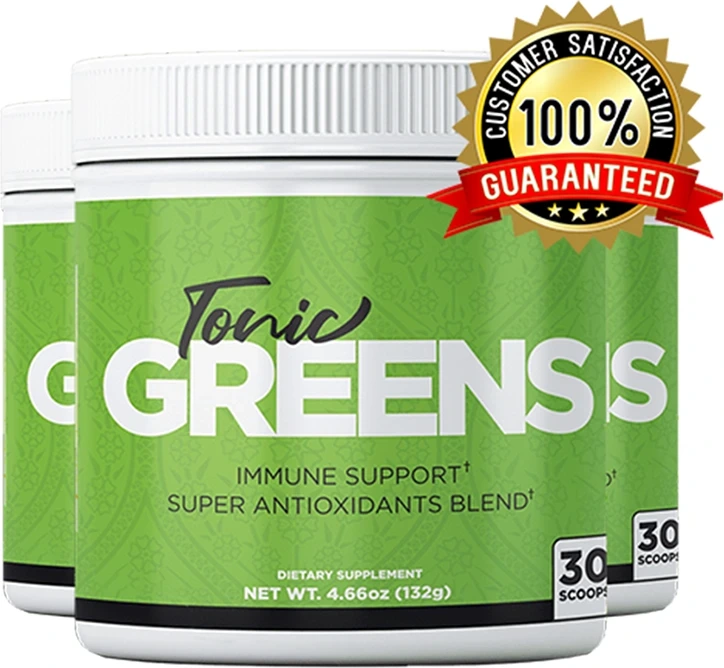
Tonic Greens combines fruits, vegetables, botanical extracts, mushrooms, and digestive-wellness ingredients across six groups. Understanding what each group contains helps buyers evaluate the formula, compare its composition with other supplements, and decide whether it matches their nutritional preferences.
Quercetin-Rich Plant Sources
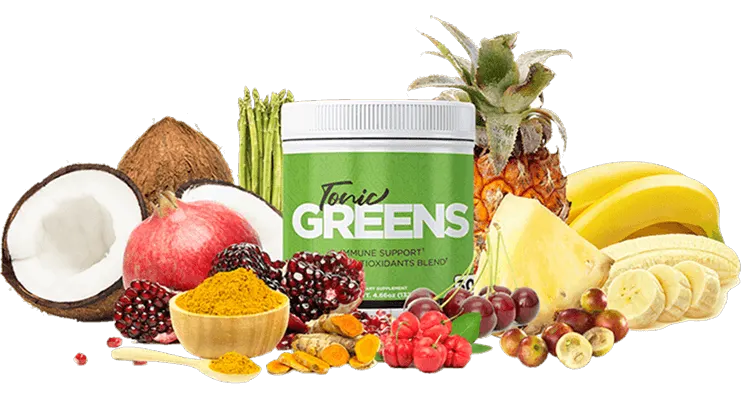
This group brings together leafy vegetables, citrus fruits, acerola cherry, and green tea. These ingredients contain naturally occurring plant compounds, including flavonoids such as quercetin and catechins, alongside other nutrients and phytochemicals.
Ingredients:
- Kale
- Asparagus
- Green bell pepper
- Broccoli
- Orange
- Acerola cherry
- Green tea leaf
Kale and broccoli contribute compounds associated with cruciferous vegetables, while acerola cherry is a natural source of vitamin C. Green tea adds polyphenols, giving this group a combination of different plant-derived compounds.
Resveratrol and Berry Sources
Concord grapes, blueberries, blackberries, raspberries, and cranberries make up this fruit-focused group. They contain various polyphenols, including anthocyanins, which contribute to the natural pigmentation of many berries.
Ingredients:
- Concord grapes
- Blueberries
- Blackberries
- Raspberries
- Cranberries
Grapes and berries provide a varied selection of naturally occurring plant compounds. Their concentration depends on the ingredients and processing methods used, so the blend should not be considered equivalent to a standardized resveratrol supplement.
Turmeric and Curcumin
Turmeric root contributes naturally occurring curcuminoids, including curcumin. It adds a distinct botanical ingredient to the formula and is commonly used in dietary supplements.
The amount of curcumin depends on the turmeric preparation and concentration. Unless a standardized quantity is specified on the product label, buyers should not assume the formula supplies a particular curcumin dose.
Additional Antioxidant-Rich Botanicals
This group combines spirulina, vegetables, fruits, wheatgrass, and cinnamon bark. Its purpose within the formula is to introduce additional botanical sources beyond those included in the first three groups.
Ingredients:
- Spirulina
- Parsley
- Organic banana
- Coconut juice
- Wheatgrass
- Apricot
- Brussels sprouts
- Cabbage
- Tomato
- Cucumber
- Cinnamon bark
Spirulina contains naturally occurring pigments, tomatoes provide carotenoids, and cruciferous vegetables contribute their own plant compounds. Together, these ingredients increase the variety of botanical sources represented in the powder.
Specialized Immune-Wellness Phytomix
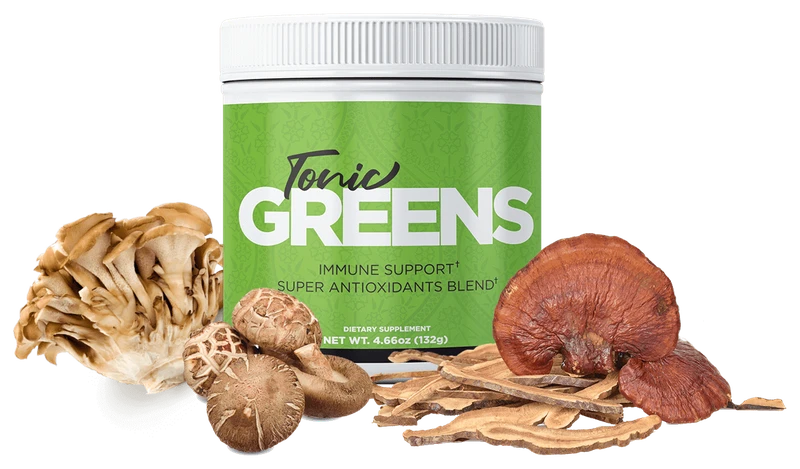
This group combines reishi, shiitake, and maitake mushrooms with selected fruits, vegetables, and traditional botanicals. It includes several ingredient types commonly found in supplements positioned for general immune wellness.
Ingredients:
- Reishi mushrooms
- Shiitake mushrooms
- Maitake mushrooms
- Spinach
- Korean ginseng root
- Pineapple
- Cauliflower
- Camu camu fruit
- Cherry
- Pomegranate
- Beetroot
Mushrooms provide naturally occurring polysaccharides, while Korean ginseng contains compounds known as ginsenosides. Camu camu, pomegranate, and the remaining plant ingredients add further nutritional variety. Their inclusion does not establish a specific immune-health outcome for the finished supplement.
Prebiotic and Probiotic Blend
The final group includes prebiotic and probiotic ingredients, extending the formula beyond fruits, vegetables, and botanical extracts. Prebiotics serve as substrates for certain gut microorganisms, while probiotics are live microorganisms that may offer benefits when supplied in appropriate strains and quantities.
Specific probiotic strains and guaranteed viable counts are not identified in the available product description. Buyers interested in this part of the formula should review the product label or request these details from the manufacturer.